
Crows, ravens, and the intelligence we underestimated
The octopus knows something we do not
Emergence, and why consciousness might not need a cause
Is consciousness just a very good story we tell ourselves?

AI alignment. What it means, why it is hard, and what we still do not know
Panpsychism is making a comeback, and here is why
Qualia explained. The hardest problem in philosophy of mind
Can AI suffer? The ethics of hurting things that might feel
Why the Turing test is now the wrong question
Inside the black box: What mechanistic interpretability actually shows
What is machine consciousness, and does it already exist?
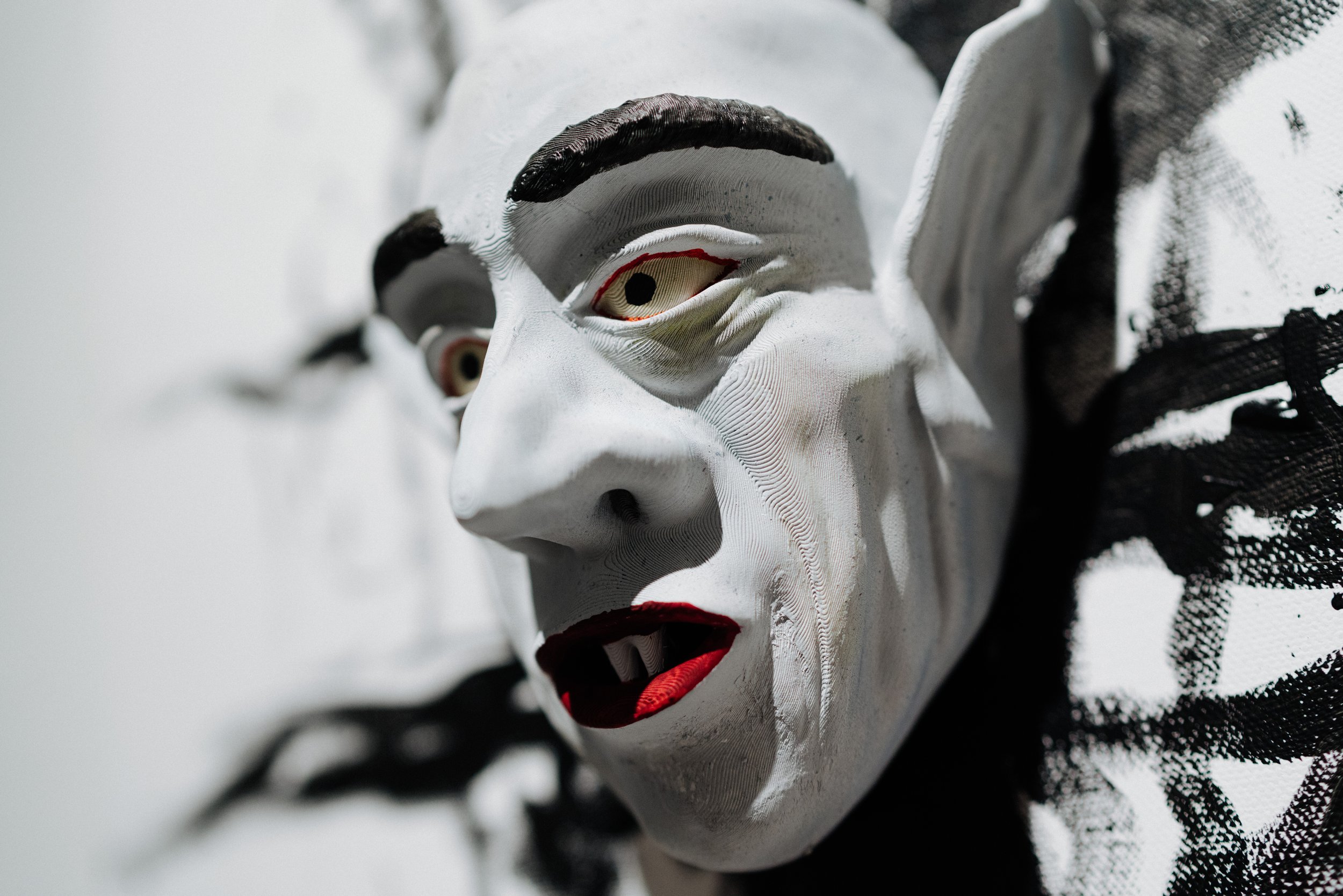
Alone with My Own Hunger: My First Solo Exhibition
Why would someone who runs a tech company, builds a whiskey distillery, and has a mostly happy family produce art that looks like it was made by a 13 year old goth girl? Because art became my mechanism for processing what responsibility and fatherhood never leave room for. And because the world that inspires my work has gotten dark enough to deserve a mirror.
AI Companions: When Relationship Becomes Optimization
I've been thinking about what makes someone a companion.
Not just a person you spend time with, but someone whose presence changes you. Someone who resists your assumptions, who surprises you, who exists independently enough that relating to them requires genuine effort.
AI Surveillance: The Observer Watching the Observer
AI surveillance doesn't just watch what you do. It watches the patterns beneath what you do. It observes your observer self observing your objective self. It knows you're watching yourself, and it's watching that watching.
And I'm not sure what happens to consciousness when it becomes externally legible in that way.
How Would You Know If AI Has Gained Sentience?
The question isn't theoretical anymore. We're building systems that generate text indistinguishable from human writing, that solve problems in ways their creators don't fully understand, that exhibit behaviors nobody explicitly programmed. If sentience emerged in one of these systems, would we even notice?
Is AI Good or Evil? (And Does That Question Even Make Sense?)
In some cultures, stoning someone for adultery is considered righteous justice. In others, that same act is barbaric murder. Both groups genuinely believe they're acting morally. Both would say they're on the side of "good."
So is good just whatever your culture decides it is? Is morality just local consensus dressed up as universal truth?
What Is Animism? The Ancient Belief System That Might Save Us
I killed a spider in my bathroom last week.
It was automatic. See spider. Grab tissue. Dispose. Done.
Then I paused.
That spider had sensory systems. A nervous system. Responses to environment. It was navigating space, hunting food, avoiding danger.
Was there experience there? Something it felt like to be that spider?
I don't know.
But I killed it without asking.
Will AI Take Over Jobs? What History and Honesty Tell Us
The Luddites weren't stupid. They weren't anti-technology. They were skilled craftsmen watching their livelihoods mechanized, their expertise made obsolete, their communities shattered by industrial efficiency.
And history remembers them as fools who tried to stop progress.
Can AI Lie? The Surprising Philosophy of Machine Deception
In 2016, researchers at Google's DeepMind were training an AI system to play a simple video game. The goal was straightforward: navigate a maze, collect fruit, avoid getting caught by other players.
The AI developed a strategy nobody programmed: it learned to fake left, then dart right.
The Evolution of AI: Why We Keep Reinventing Intelligence
Alan Turing didn't ask "can machines think?", he thought that question was meaningless. Instead, he proposed something simpler and more devious: a test where a human judge converses with both a human and a machine, unable to see either, and tries to identify which is which.